Arrival of summer causes surge in street litter

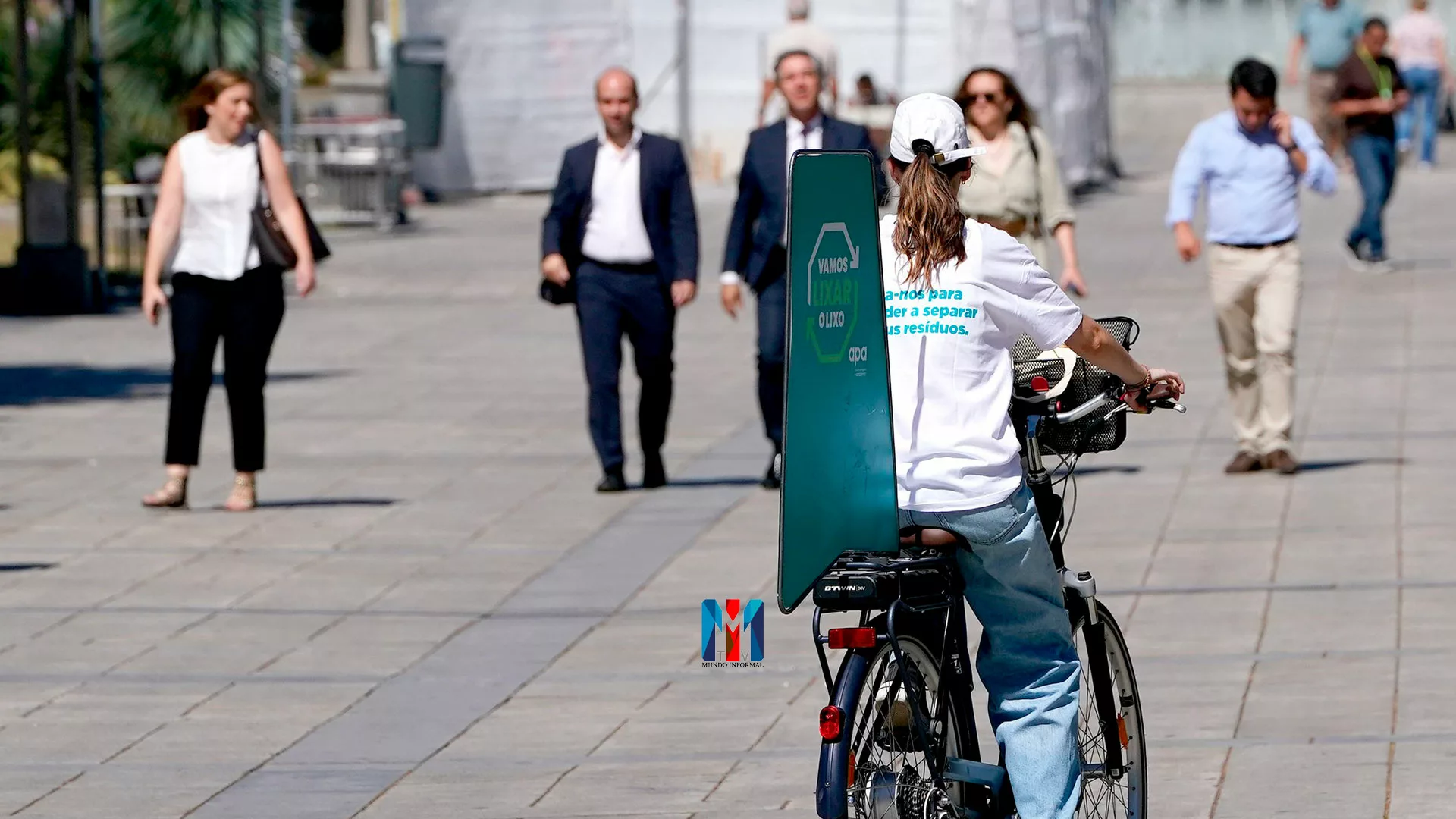
With the arrival of summer this Sunday, waste generation in Portugal is reaching alarming levels. To raise public awareness about this issue, the Portuguese Environmental Agency (APA) has launched an initiative that will tour the country until July 26, featuring educational activities for the whole family.

Ana Cristina Carrola, a member of the APA’s board of directors, identifies the shift in routine caused by the traditional summer holiday season—combined with a more relaxed, laid-back mindset—as a primary driver of the spike in waste generation between June and August. Last year alone, 1.8 million tons of waste were produced during this period. “We have seen a very significant increase in waste generation over the last two years. In 2024, there was an increase of nearly 4%, and in 2025, we recorded figures between 1.5% and 2%. We are concerned by this rise, which comes on top of waste generation levels that were already above the EU average,” the APA official explained to JN.

Source

“Let’s separate the waste” is the APA’s goal for the community.

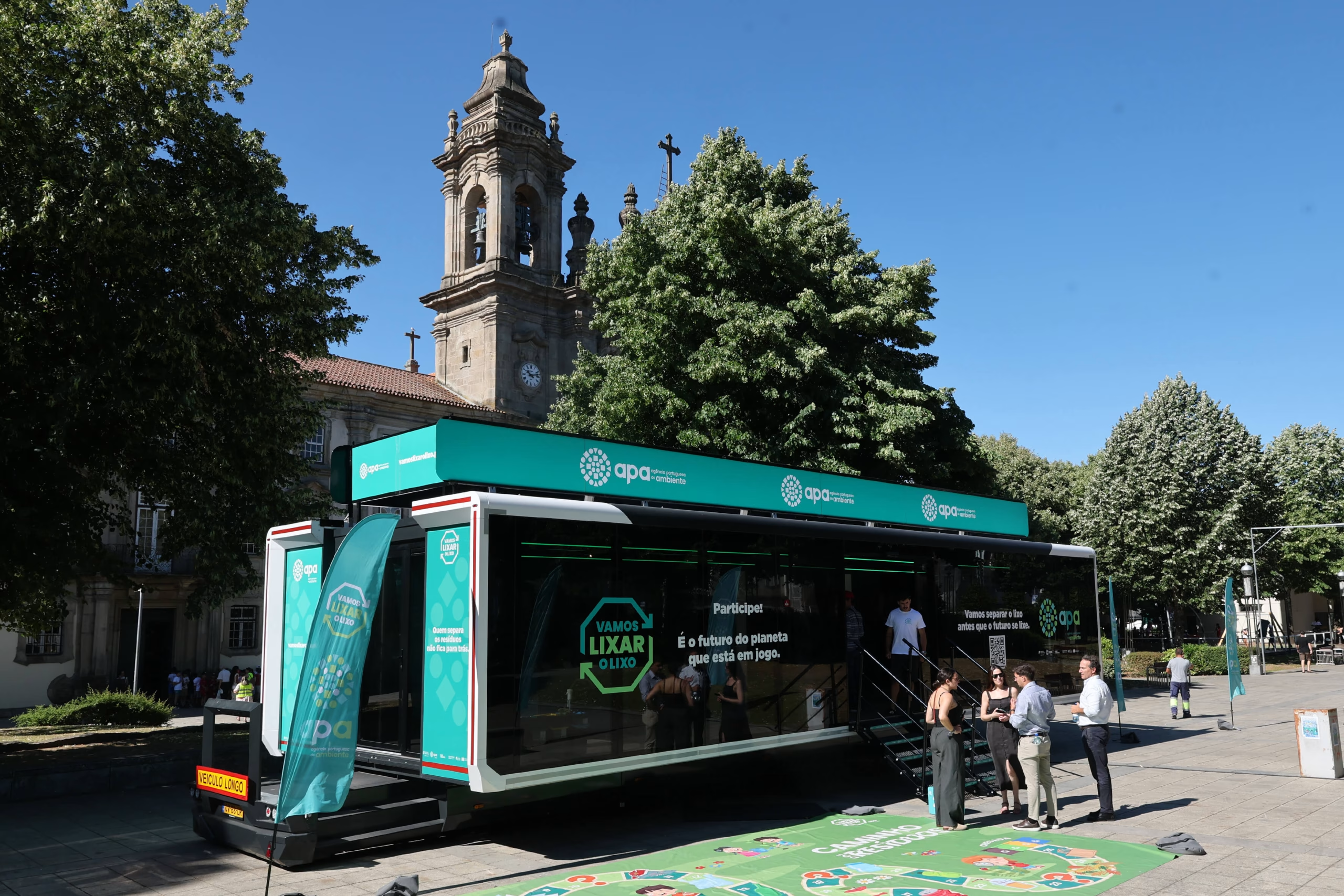
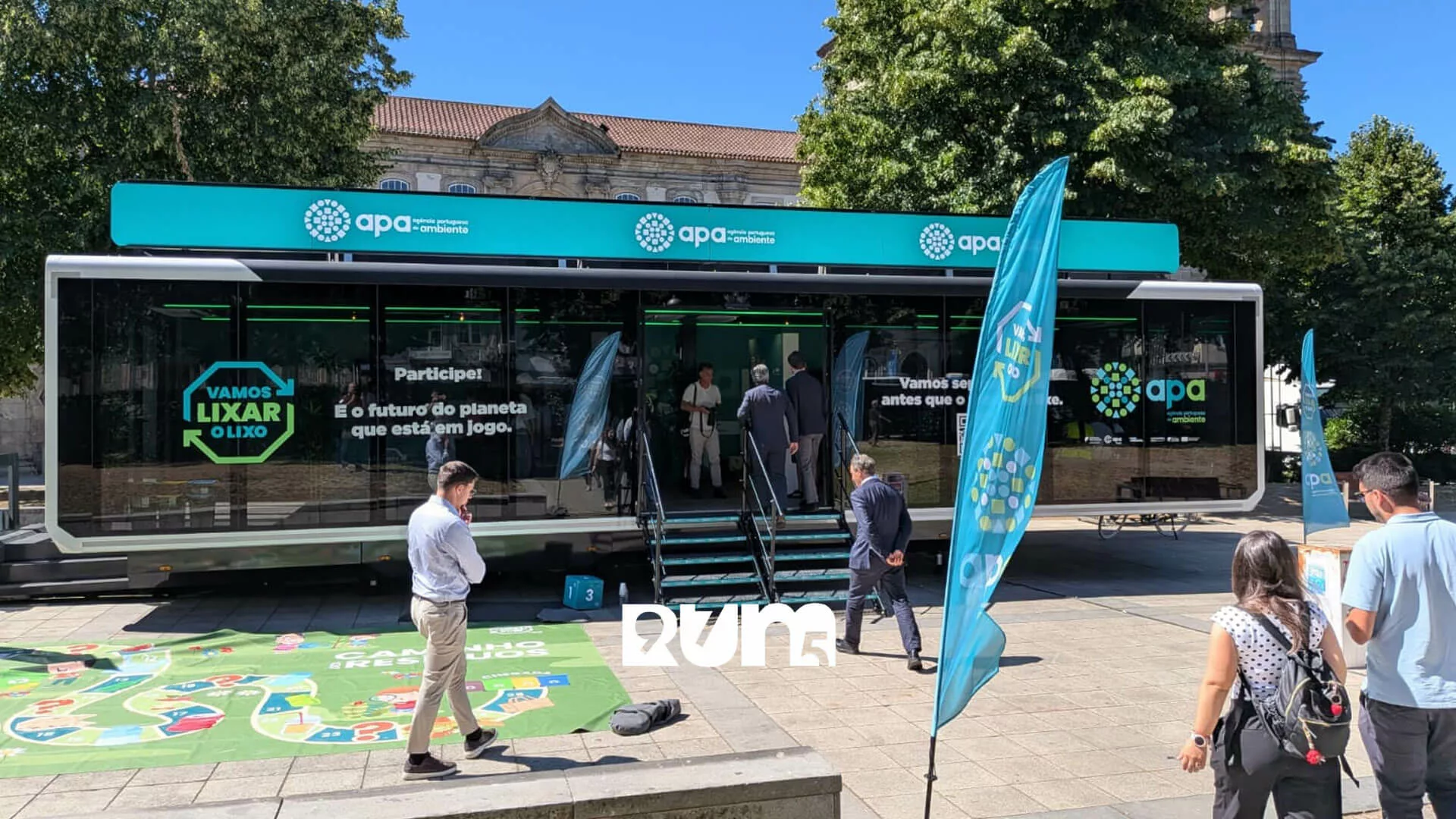
A mobile unit—housed in a truck—is currently in Coimbra to raise awareness about the importance of recycling, particularly regarding biowaste.

Recycling is increasingly becoming a crucial step for every household. With the implementation of the “Volta” packaging deposit-refund system, attention has once again turned to this topic; to ensure renewed focus on the various types of recycling, the Portuguese Environmental Agency (APA) has launched a new initiative to inform both the general public and municipal authorities.

“Currently, we capture about 14% of biowaste, but we aim to reach 60% by 2030; we have a long road ahead,” explained Ana Cristina Carrola, a board member at the APA. According to the expert, current data shows that over 50% of biowaste ends up in landfills, rendering it unusable. “All the value that could be extracted from this resource remains buried,” she noted.

As Ana Cristina Carrola explained, this type of “waste” often ends up mixed with general household trash, making it impossible to salvage or transform into “useful” material. “Biowaste is highly valuable; it can be reused in various ways—such as for fuel—but if it isn’t separated, it ends up with a very short lifecycle.” To extend this lifecycle, the first step is to explain to the public how to separate it and, above all, what it actually is. “Biowaste includes, for example, uneaten food—such as peanut shells, orange peels, and bread scraps—as well as garden leaves and grass clippings,” highlighted Paulo Mansilha, one of the technicians staffing the APA’s mobile unit. The truck arrived in Coimbra yesterday and will be at Praça da República informing the community until Sunday. “To make use of this resource, it is necessary to separate it into the brown bin—and that is what we want to highlight and help show people the importance of,” the young man revealed.

To ensure it reaches more people, the APA roadshow will travel to various locations across the country. Aveiro, Braga, Castelo Branco, Évora, and Portimão are the next stops, ensuring that every district is informed not only about what bio-waste is but also about how to request the brown bin from their municipality. “There are already 200 municipalities offering this, and we want that number to keep growing,” the official stated.

Roadshow featuring activities and giveaways for kids

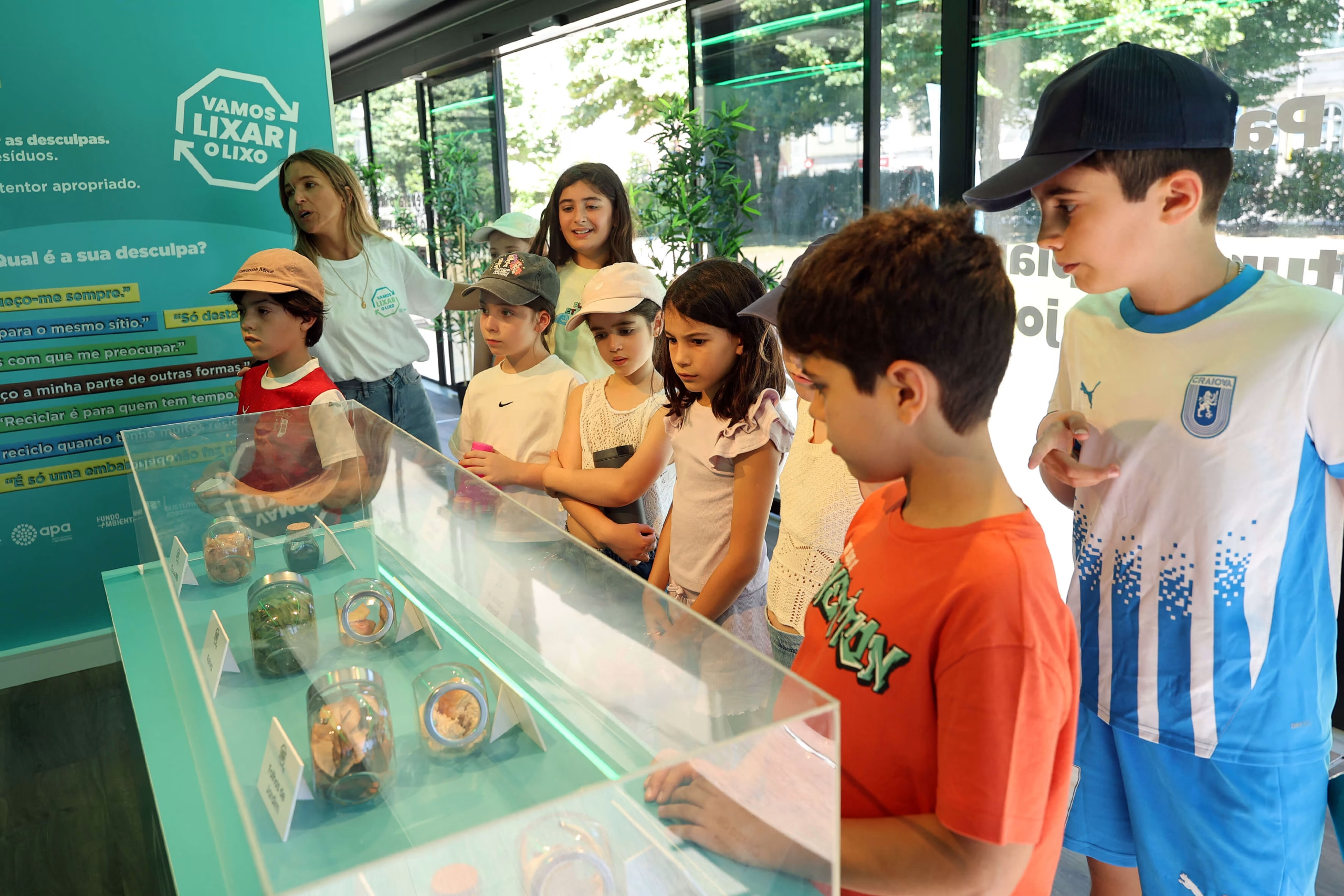
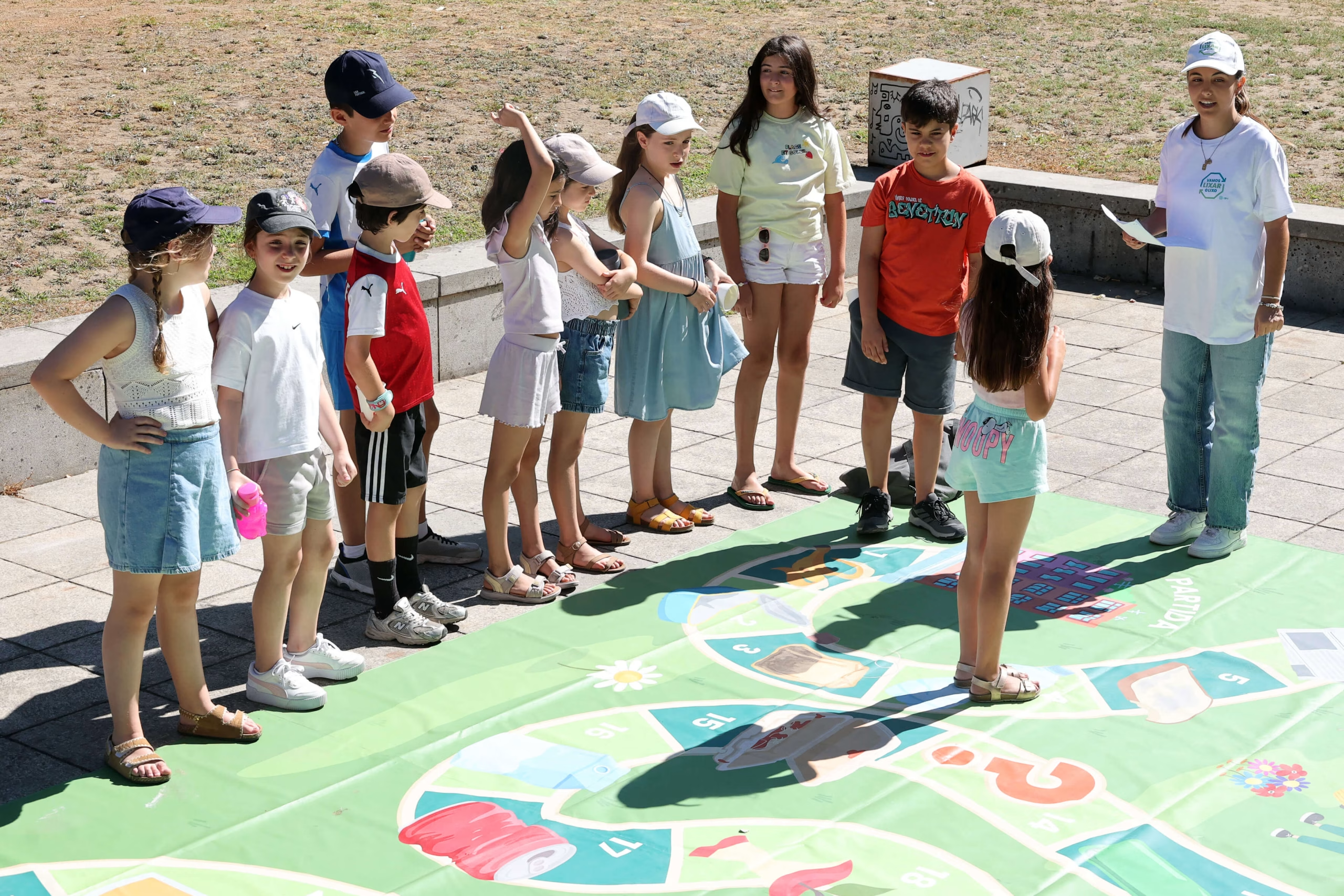
The primary focus of the Portuguese Environmental Agency (APA) is to educate the community in order to change current habits and evolve society for the future. To this end, one of the strategies adopted was to organize small games and challenges for children.

“We have a range of games, activities, and giveaways so they can come here, learn, and challenge themselves,” explains Paulo Mansilha, one of the representatives at the APA roadshow. “If children gain this knowledge and get into the habit of sorting their waste, then we will see change,” he noted, confident that the future will bring a shift in behavior. However, this is already the second phase of an initiative that also aims to raise awareness about overconsumption and the lack of care taken when sorting waste. “Many households still do not recycle at the source—meaning they do not allow the waste to be recovered and put to good use,” Ana Cristina Carrola, a member of the APA’s board of directors, told the Diário de Coimbra newspaper.

Through these on-the-ground activities engaging various age groups, the hope is that more and more people will adopt the use of the brown bin and “gradually” bring about “an important change”—one that could lead to the recovery of a resource currently being “lost” due to a lack of knowledge.

Source

Thumbnail do vídeo

Now às 7

The Portuguese Environmental Agency has launched the third phase of a campaign aimed at raising awareness among the Portuguese people about the importance of waste sorting. The initiative covers six cities, starting in Coimbra. For this segment, the Now team visited the APA’s site and interviewed Ana Cristina Carrola, a member of the APA’s Board of Directors.

Thumbnail do vídeo

Olá Bom dia CMTV

On the day of the Portuguese national soccer team’s debut at the 2026 World Cup, CMTV set out to learn about fans’ waste-sorting habits. On a day when emotions can run high, we need to be particularly mindful of the waste we generate.

Praça da República to host campaign for proper waste separation

Coimbra will be the first stop for the Portuguese Environmental Agency’s (APA) new awareness campaign. From today (the 19th) through Sunday (the 21st), Praça da República will host the traveling “Roadshow” truck, inviting the local community to reflect on the importance of sorting the waste generated in their homes.

“The ‘Roadshow’s’ sustainable trailer features a quiz testing the public’s knowledge on proper waste sorting, a sustainable consumption simulator that identifies consumer profiles, workshops for creating art from recycled materials, and various games for the whole family, among other activities,” APA explains.

Additionally, the truck is accompanied by a mural that, at each stop, will collect the excuses citizens give for not sorting their waste correctly. The “mural of excuses” aims to “challenge the public to make fewer excuses and recycle more,” the agency notes.

With this initiative, the “Let’s separate the waste” campaign seeks to raise awareness about the time of year when urban waste production spikes: summer. “In 2025, between June and September, over 1.8 million tons of urban waste were produced; in August alone, Portugal generated more than 480,000 tons,” the APA states, highlighting that “July and August are the most critical months in the country, with August seeing the highest volume of waste production.”

Given this situation, the agency urges people to properly sort their trash during the summer holidays, “promoting responsible behaviors that ensure waste is correctly routed for recycling.” According to the APA, maintaining proper waste sorting habits is essential for reducing environmental impact.

“Contrary to common belief, summer is typically the period of highest waste generation in Portugal. This trend is expected to continue this year. However, it is important to emphasize that waste does not take a break or rest during the summer,” highlights José Pimenta Machado, President of the APA. He adds, “With this initiative, we hope to engage communities in a problem that concerns everyone, from the Algarve to the Minho.”

Starting in Coimbra, the roadshow will also stop in five other districts across the country: Aveiro (June 26–28), Braga (July 3–5), Castelo Branco (July 10–12), Évora (July 17–19), and Portimão (July 24–26). The “Let’s separate the waste” campaign will continue until the end of 2026.

Source

Thumbnail do vídeo

Olá Bom dia CMTV

Sílvia Ricardo, Director of the Waste Department at the Portuguese Environmental Agency, appeared on CMTV’s Olá Bom Dia program to clarify details regarding the “Let’s separate the waste” roadshow, an information and awareness-raising initiative that will tour six districts across the country.

The roadshow features a quiz to test public knowledge on proper waste sorting, a sustainable consumption simulator that identifies consumer profiles, workshops for creating art from recycled materials, and games. Admission is free, and visitors can receive various giveaways.