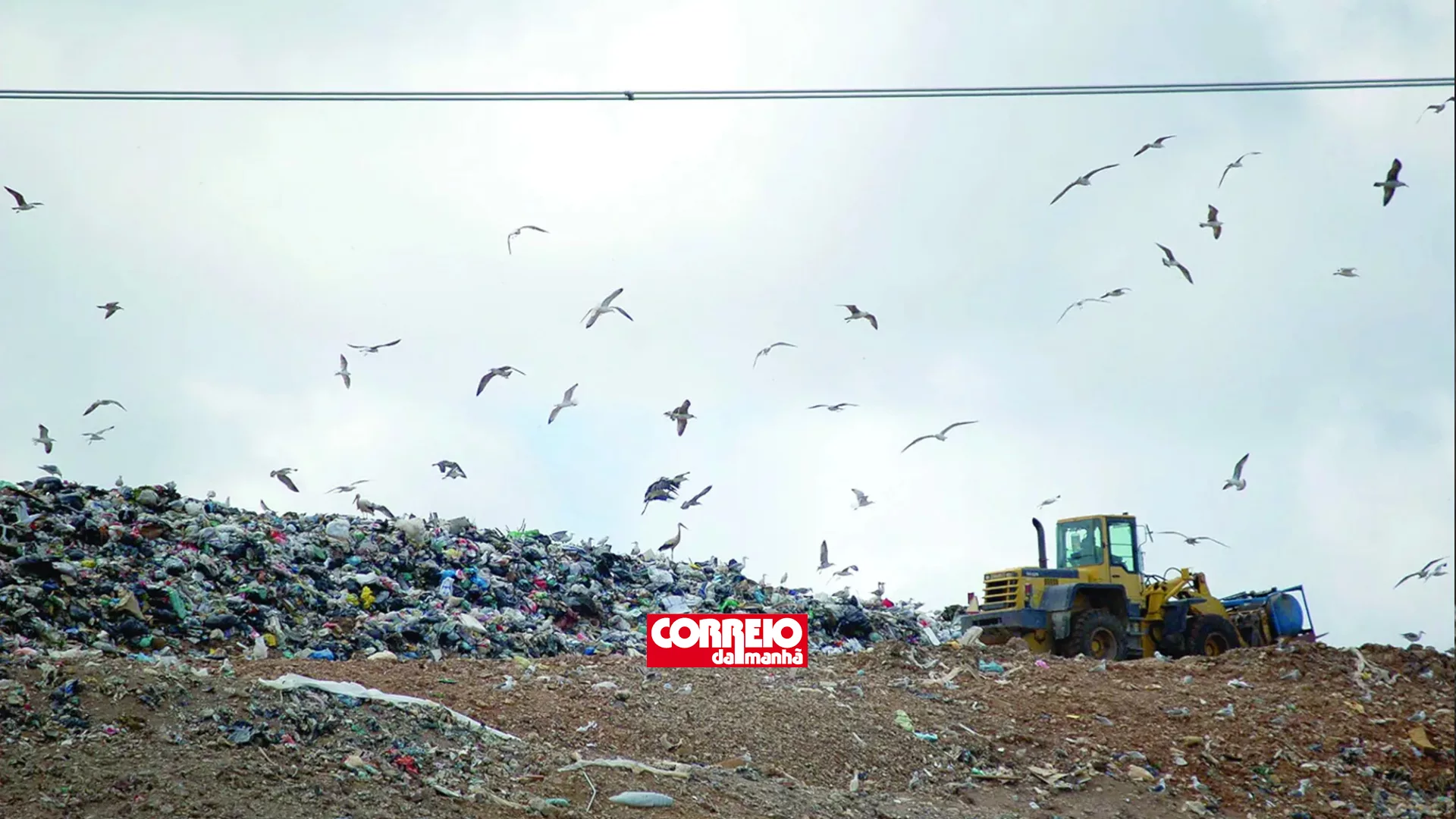
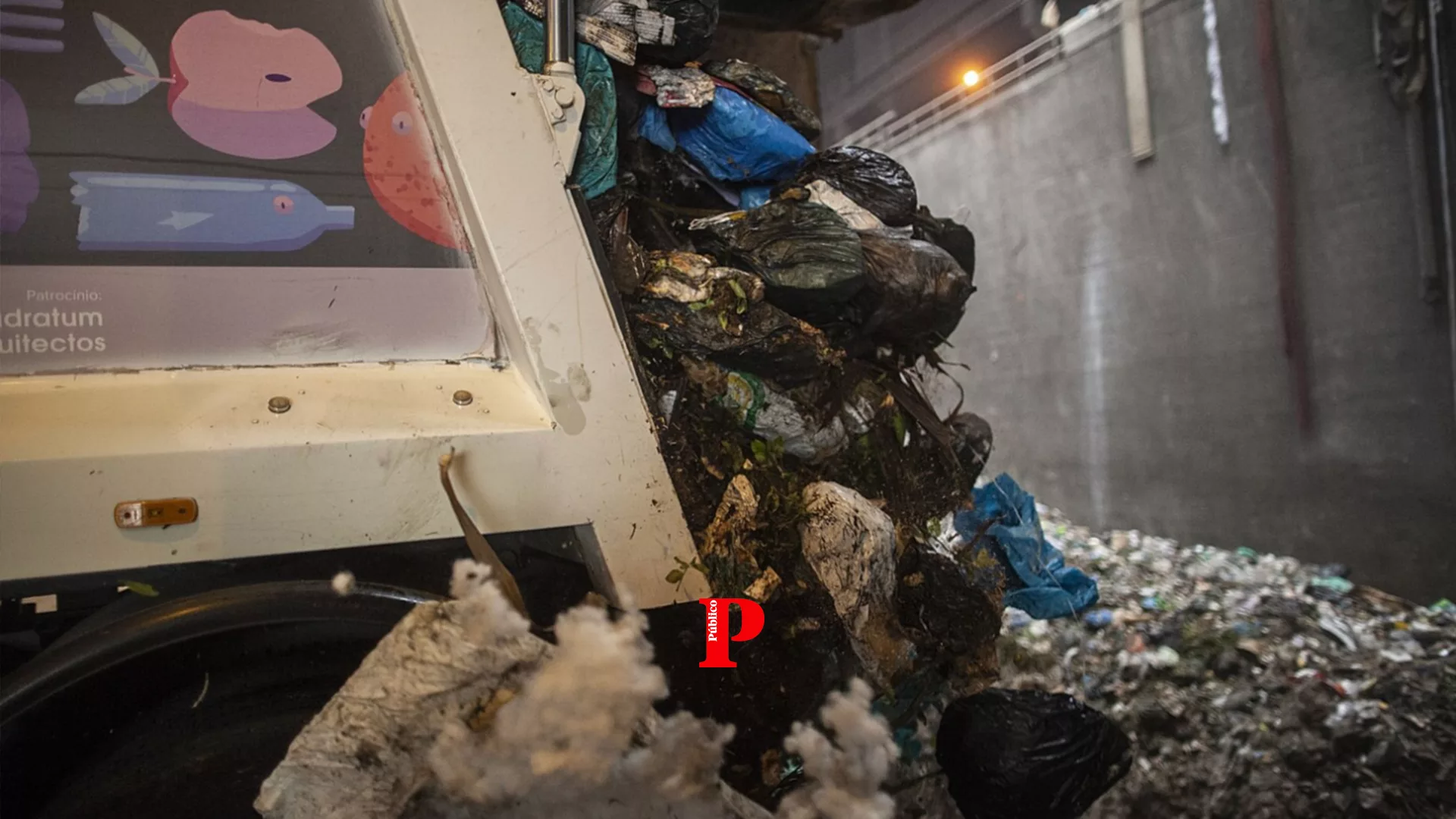
Three million tonnes of municipal waste end up in landfills every year — meaning more than half of all waste discarded in Portugal annually — the Portuguese Environmental Agency (APA) warned on Monday when launching the second phase of an awareness campaign about this “monumental” problem.
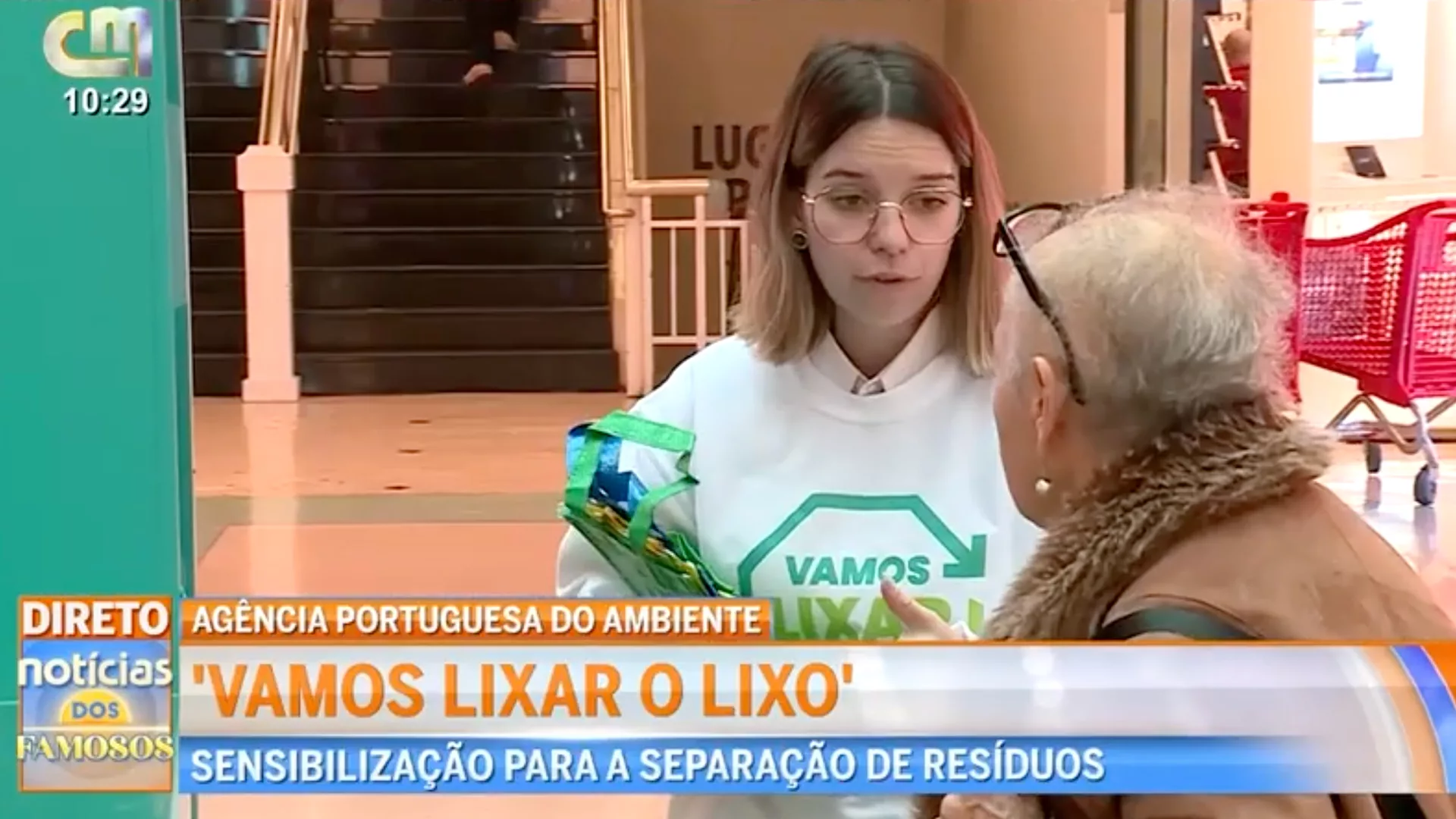
Under the tagline “Let’s separate the waste before our future is wasted.”, the campaign adopts a multimedia strategy encompassing television, radio, billboards and digital platforms, aiming to raise awareness among citizens about the urgent need to separate and properly route their household waste.
In the television campaign, a tour guide drives a tuk-tuk through the streets of Lisbon, presenting iconic monuments such as the Palácio Nacional da Ajuda and the Mosteiro dos Jerónimos, before revealing an “unexpected monument”: a colossal mass of municipal waste, illustrating the three million tonnes that are deposited in landfills every year.
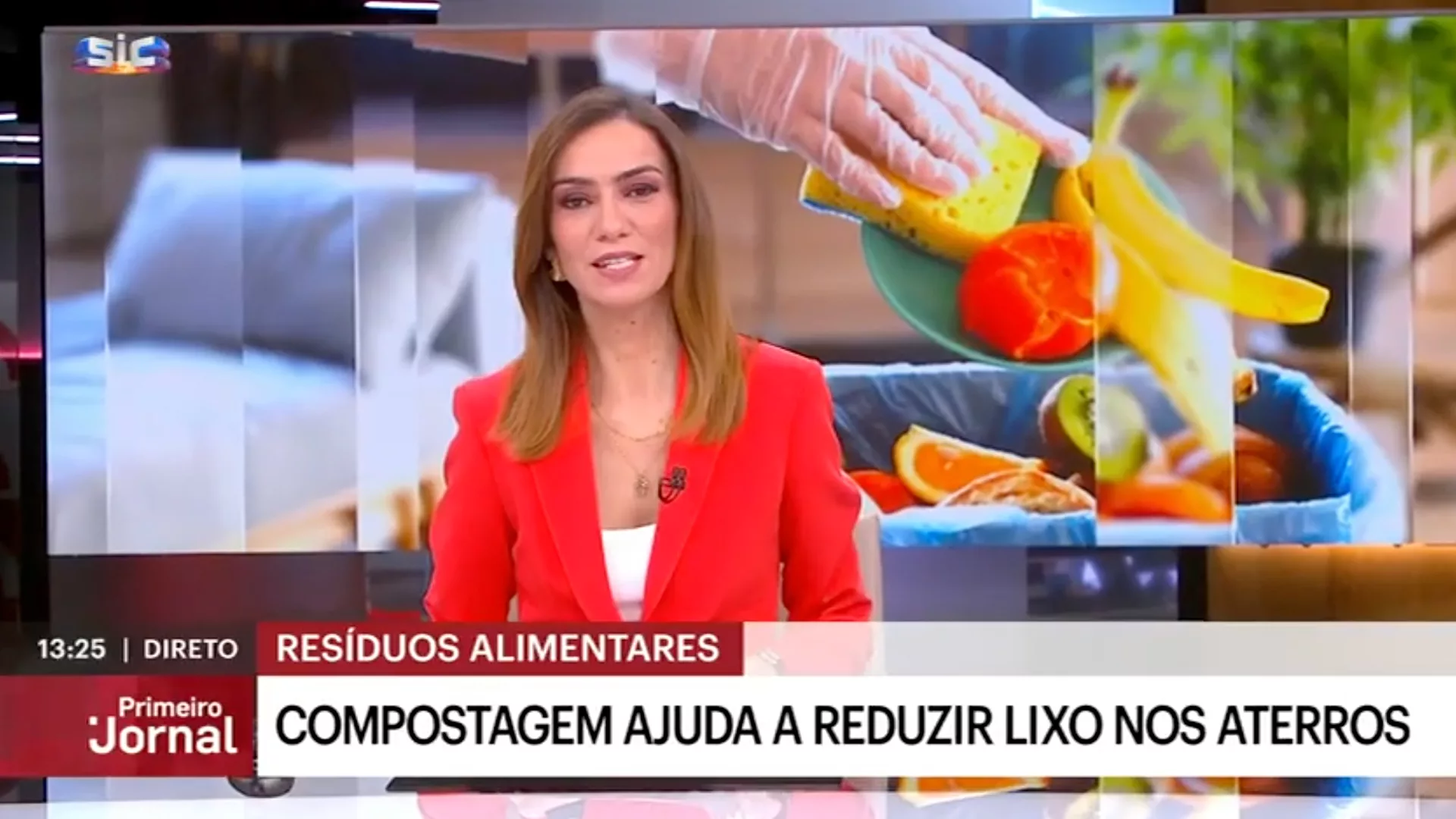
The campaign serves as a warning about how poor waste separation is exhausting national landfill capacity and undermining sustainability, according to the APA’s press release. The agency emphasises that the solution is within everyone’s reach and involves the correct separation of glass, plastic and metal packaging, paper and cardboard, as well as bio-waste — food scraps and garden green waste — for subsequent recycling.
In the height of the sales season, the campaign will include activations at the Colombo Shopping Centre in Lisbon, from 13 to 18 January, and at Norte Shopping (owned by Sonae, which also owns PÚBLICO) in Matosinhos, from 27 January to 1 February, with an information space dedicated to bio-waste, educational games for children, and a recycling quiz.
Race to meet the targets
The “Let’s separate the waste” campaign is planned to run for 15 months and involved an investment of €4.3 million. The APA’s ambition is to drive a “social movement” capable of changing the recycling habits of the Portuguese and reducing the country’s enormous current dependence on landfills. This initiative is also part of a race against the clock to meet the European sustainability targets by 2030.
Several Portuguese landfills are approaching capacity. Moreover, the majority of these facilities in Portugal operate outside the bounds of national law and EU rules, receiving undifferentiated municipal waste without it being subjected to the separation and stabilisation of organic matter. The environmental association Zero reported to the European Commission in November the illegal operation of 28 of the country’s 31 landfills.
Out of a total of 5.3 million tonnes of municipal waste, 14% is recycled, 8% goes to organic recovery, 12% to energy recovery, and 59% to landfill disposal. The environmental association Zero advocates a greater focus on organic recovery (over incineration) through increased capacity and efficiency in mechanical and biological treatment at landfills.
Source